Is there a way to naturally heal or reverse a bulging disc in the lower back?
Can a bulging disc heal without professional treatment or surgery?
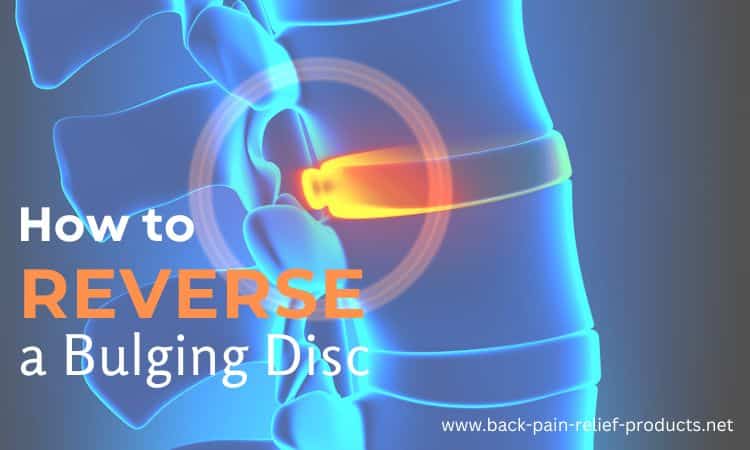
The answer is YES for many people, especially when symptoms are mild and managed properly.
However, improvement usually means less or no symptoms, not always a complete reversal seen on tests.
What matters most isn’t what your MRI shows.
It’s whether you can move, sit, sleep, and live without pain.
There are several effective ways to promote disc bulge healing that can definitely work.
You’ll find them here, right now.
Did you know?
Many people have disc bulges on MRI with no pain at all.
Pain usually occurs when inflammation or nerve irritation happens, not simply because a bulge exists (study)
Severe pain is more common with herniated discs, but pain alone can’t tell you which type of disc issue you have. That usually requires imaging and a medical exam.
According to Dr. Walter Salubro, the potential for a disc bulge to completely resolve or return to normal is uncertain and varies from case to case.
This approach is best for you if:
- Your pain comes and goes
- Sitting or certain positions make it worse
- You want to avoid surgery if possible
- You can still move, walk, and exercise carefully
- If you have severe weakness or worsening numbness, get medical care first.
Once you optimize this, you can find yourself symptom-free and back to your normal life. The best treatment for a lumbar bulging disc is to help your body heal it on its own.
Key Points
- A bulging disc can improve naturally for many people, especially when pain is managed and daily habits support healing.
- Disc bulges are very common and often painless. Pain usually comes from inflammation or nerve irritation, not the bulge itself.
- Spinal decompression can reduce pressure on the disc and give irritated nerves space to calm down, which helps relieve pain and improve movement over time.
- Infrared therapy provides deep, penetrating heat that improves circulation, relaxes tight muscles, and can offer hours of pain relief without medication.
- Targeted exercises strengthen the muscles that support your spine, improve flexibility, and help your back tolerate daily movement with less pain.
- Simple lifestyle changes matter more than people think. Ergonomic seating, proper sleep support, and avoiding long periods of sitting can speed up recovery and prevent flare-ups.
What Does a Bulging Disc Look Like?
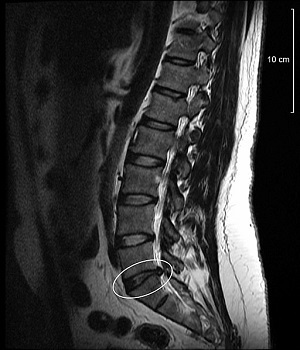
Discs are like miniature jelly doughnuts, exactly the right size to fit between your vertebrae.
They’re made out of an outer layer of tough cartilage surrounding softer cartilage in the center.
A bulging disk looks like a hamburger that’s too big for the bun.
The disc extends outside its normal place, and the bulge typically affects a large portion of the disc.
Bulging is considered part of the normal aging process of the disk.
A herniated disk, on the other hand, happens when a crack in the tough outer layer of cartilage allows some of the softer inner cartilage to “escape” out of the disk.
Herniated disks are also called ruptured disks or slipped disks, and cause much more pain than compressed discs.
A bulging disc may not always cause symptoms, as the bulge does not necessarily compress nearby nerves.
Herniated discs, however, often result in more pain because the inner nucleus of the disc protrudes and can irritate or compress nerve roots.
Common and Uncommon Symptoms of a Bulging Disc
Common symptoms of a low back bulging disc include:
- Lower back pain
- Sciatica (pain radiating down the leg)
- Numbness or tingling in the leg and/or foot
- Muscle weakness in the legs
- Pain worsens by sitting, coughing, or sneezing
- Muscle spasms in the back
Uncommon or less frequent symptoms include:
- Sexual dysfunction
- Balance and coordination issues
- Foot drop (inability to lift the foot)
- Pain radiating to the buttocks, hips, or front of the thigh
- A sensation of electric shock on one side of the body
- Numbness in the hands (if the herniation is in the neck)
- Pain when laughing
- Chest pain (if the herniation is in the mid-back)
How to Treat a Bulging Disc Naturally
I don’t want to get into the many, many reasons why long-term OTC and prescription drugs can be dangerous to your health.
Spinal decompression can take pressure off the disc, improve circulation and fluid movement, and ease pain.
While it doesn’t physically “push” the disc back into place, it helps create the right conditions for the body to heal.
It relieves the pain and allows your body to heal naturally and faster.
No medication, no surgery. And you can do spinal decompression at home – by yourself, whenever you need it.
1. Decompress Your Spine
✅ Best for – disc-related pain that worsens with sitting or standing
❌ Not ideal for – people with osteoporosis or severe vertigo
A study published in the Scandinavian Journal of Rehab Medicine looked at different body positions and how they impacted the pressure within the 3rd lumbar disc.
The researcher, Dr. Nachemson found:
When you are sitting, you experience 50% more pressure on your back then when you are standing in good posture.
Even when you lie down, you still have 25% of your standing body pressure on your spine as a result of the muscles and ligaments supporting your back.
Classic research by Dr. Nachemson showed that certain traction positions reduce pressure inside the spinal discs much more than sitting or standing, which helps explain why decompression can relieve pain.
Here are some of the best options to do spinal decompression at home:
Inversion Therapy
The first option is to use a high-quality inversion table.
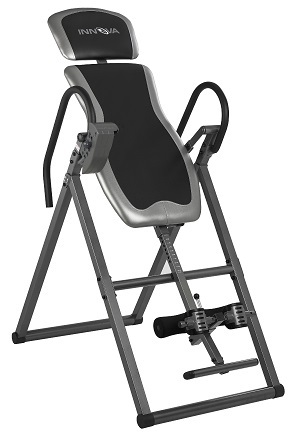
An inversion table can bring dramatic pain relief in as little as 10 minutes (for some people). But long-term benefits are gained through consistent use.
Regular inversion allows your back muscles to relax, your spine to elongate, and creates space for your discs.
This space is vital to the discs’ ability to naturally realign, rehydrate, and return to health, providing flexibility, shock absorption, and improved posture.
See the best inversion tables for back pain and how to use them.
Spinal decompression should be approached cautiously, especially for people with certain medical conditions (e.g., osteoporosis or cardiovascular issues).
Inversion Table Alternative – the Nubax Trio
The Nubax Trio is one of the best alternatives for inversion tables. – Perfect for people who don’t like the idea of hanging upside down.
Devices like the Nubax Trio provide gentler, position-based traction without full inversion, which some people find more comfortable and easier to use.
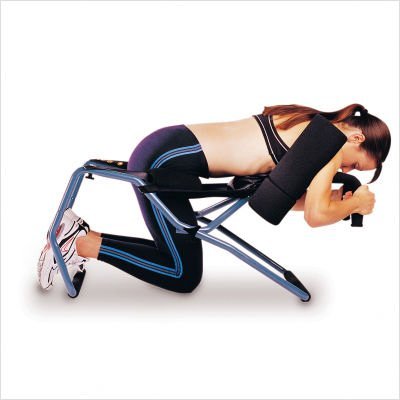
The Nubax Trio is easier to get in and out of, and it allows you to apply as little or as much traction as is needed.
And:
It only takes 3-6 minutes of treatment a day of leaning over and relaxing. (And it’s portable and lightweight – you can take it to your office if you have lower back pain from sitting too much).
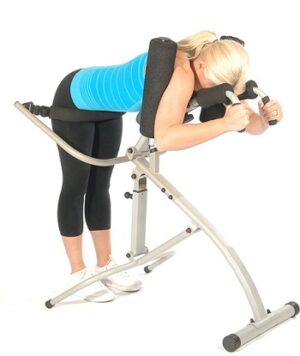
If you prefer back decompression without kneeling, the Stamina InLine Traction Control System is your best choice.
2. Use Infrared Therapy
✅ Best for – People with deep, achy, or stiff back pain that responds well to heat and muscle relaxation, especially when pain flares at night or after activity.
❌ Not ideal for – anyone who does not tolerate heat well without supervision/
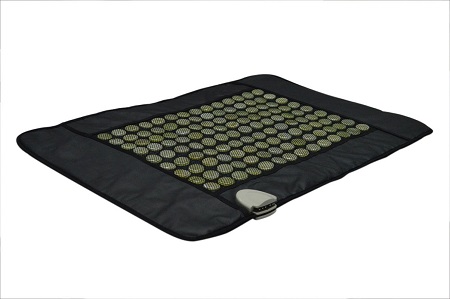
Infrared light therapy is one of the most effective yet little-known natural treatments for, well, just about anything.
Using an infrared heating pad for 30 minutes can relieve your back pain for no less than 6 hours (!) – without medication – while enjoying many other health benefits of infrared therapy.
Far infrared heat goes deeper than regular heat, helps blood flow, relaxes muscles, and eases pain for many people.
Results are different for different people, and it’s important to use these pads properly to stay safe.
Far infrared rays, which are completely invisible to the naked eye, are capable of penetrating deep into the human body (literally right down to your bones) and improving circulation in the injured area.
This allows for almost immediate pain relief while speeding up the healing of the area.
This way, you are not treating the symptoms; you are taking an active step towards the complete healing of your bulging disc.
At my home, I have the Richway Amethyst Biomat for full-body treatment, and the UTK infrared heating pad for smaller areas like the legs and back.
Why do many people keep using infrared heat?
- It works passively while you rest
- Relief often lasts longer than regular heat
- It doesn’t require movement when pain flares
3. Exercises for a Bulging Disc
Certain exercises that focus on strengthening the core, improving flexibility, and stabilizing the spine can reduce symptoms and improve function.
Exercises that strengthen your core and support controlled movement are commonly recommended for disc-related lower back pain.
These movements are gentle and designed to support healing, not push through pain.
We really like the ones you can see below, and they were very helpful for us:
4. Important Lifestyle Changes
Poor posture can put unnecessary pressure on your lower back, worsening a bulging disc.
Small daily habits don’t cause bulging discs overnight, but they can slow or speed up recovery every single day.
Focus on maintaining proper spinal alignment throughout your daily activities:
- Use an ergonomic office chair and switch your living room recliner to one that supports your spine and keeps it aligned, especially if you sit for long periods. (Here’s how to DIY an ergonomic work chair)
- Use the best hybrid mattress for back pain prevention
- Switch to a pillow that aligns your spine while you sleep
Staying active is crucial for spinal health because it strengthens the muscles that support the spine and improves blood flow to the discs.
Strengthening your core can provide much-needed stability and support for your lower back. See the best spine decompression exercises you can do at home.
Focus on low-impact activities to avoid putting excessive pressure on your lower back, such as swimming, walking, and Yoga or Pilates.
Lastly, the spinal discs rely on water for cushioning and maintaining their elasticity.
Dehydration can lead to disc degeneration and worsen symptoms of a bulging disc. Drink 8 cups of water daily.
Does a Lumbar Bulging Disc Heal on Its Own?
If you ask almost any doctor, he’ll probably tell you that there’s no easy fix for a bulging disc and that most people feel a significant improvement after about 6 weeks.
However, this prognosis is assessed if you are using conventional treatments, which include pain medication, spinal injections, and maybe physical therapy.
Most conventional treatments usually just mask the symptoms, instead of treating the root cause.
Many people, including us, experience significant improvement using conservative, non-surgical approaches.
Evidence supports combining education, movement, pain management, and time.
As with any injury, pain, or ache, consult your doctor before beginning any treatment or therapy.
Quick Decision Guide: What Will Actually Help You?
Use this quick guide to choose the right approach based on how your pain behaves.
👉 If your pain is worse when sitting or standing for long periods, you probably need pressure relief.
Best option – Spinal decompression (inversion table or traction device)
Why it helps – Reducing pressure on the disc gives irritated nerves space to calm down and often brings fast relief.
👉 If your pain feels deep, achy, or stiff and improves with heat, you likely need better circulation and muscle relaxation.
Best option – Infrared heating therapy
Why it helps – Deep heat improves blood flow, relaxes tight muscles around the disc, and can provide hours of pain relief without medication.
👉 If your pain flares up with movement or feels unstable – You probably need support and controlled strengthening.
Best option – Targeted exercises for disc support
Why it helps – Strengthening your core reduces strain on the disc and helps prevent repeat flare-ups.
👉 If your pain is constant or keeps coming back – You usually need a combination, not just one tool.
Most effective approach:
- Spinal decompression to reduce pressure
- Infrared heat to relax muscles and improve circulation
- Exercises to support long-term stability
This is the combination most people use to stay symptom-free over time.
Choosing the right tool for your pain pattern makes all the difference.
To your health and happiness,
The Back Pain Relief Products Team
Studies
Jensen MC, Brant-Zawadzki MN, Obuchowski N, Modic MT, Malkasian D, Ross JS. Magnetic resonance imaging of the lumbar spine in people without back pain. N Engl J Med. 1994 Jul 14;331(2):69-73. doi: 10.1056/NEJM199407143310201. PMID: 8208267.
NACHEMSON, ALF L. MD. The Lumbar Spine An Orthopaedic Challenge. Spine 1(1):p 59-71, March 1976.